
- Fly In Style with Easy Cancellations and Tailored Itineraries
Private Jets vs. First Class: Which One Actually Saves Your Sanity? (And Wallet?)
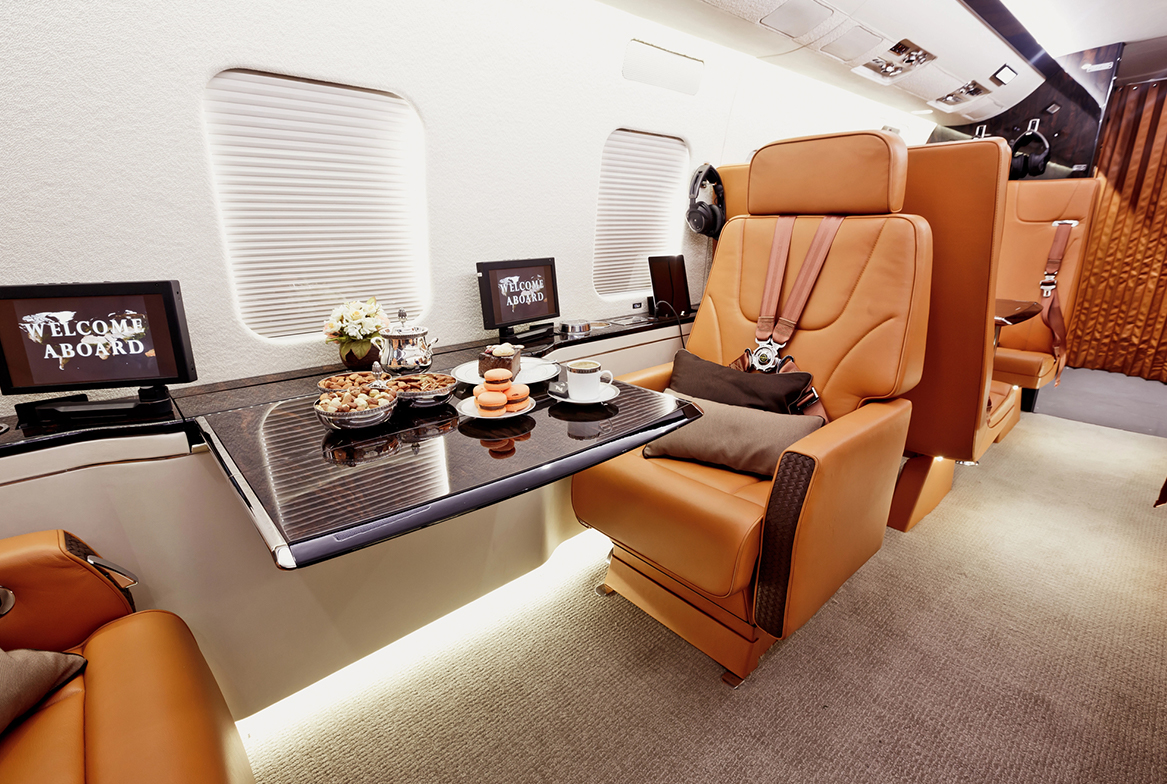
The comparison looks simple: first class gives you a wide seat, while a private jet gives you the aircraft. Yet real travel rarely fits inside that picture. The price on a ticket or charter quote tells only part of the story. Airport queues, connections, overnight stays, schedule changes, lost working hours, and the number of people traveling can rewrite the calculation completely. Sometimes first class is the sensible escape. Sometimes chartering turns an exhausting two-day puzzle into one focused journey. Before choosing either, compare the entire trip, not merely the seat. Your time, energy, and wallet deserves the full equation.
The Wrong Question Is “Which Costs Less?”
Comparing a single first-class ticket with an entire aircraft is like comparing one restaurant chair with a private dining room. The units are different. Scheduled air travel sells seats. Private aviation sells access to an aircraft, its route, and a departure plan built around the passenger group.
For one traveler on a direct, well-served route, first class usually presents the lower visible expense. Add several travelers, an awkward destination, a connection, hotel rooms, ground transport, and hours away from work, and the gap can narrow. It may still remain substantial, but the useful question becomes clearer: what does each option cost from door to destination?
Build a trip total that includes every ticket, charter cost, transfers, accommodation, meals during long connections, baggage charges, change fees, and value of lost working time. That figure will not make private aviation inexpensive. It will reveal when its higher quote purchases something commercially useful, personally valuable, and measurable.
First Class: Comfort Inside a Fixed System
First class can make scheduled flying far more pleasant. Depending on the route and aircraft, travelers may receive spacious seating, lounge access, priority airport services, generous baggage allowances, refined dining, and a quieter cabin zone. For a solo passenger, flying between major cities, that can be a compelling package.
The trade-off is control. The airline determines the timetable, airport, route, connection, and response to disruption. A polished seat does not remove a three-hour layover. Lounge access doesn’t restore a missed meeting. Priority boarding still means arriving according to airport procedures and moving through a system shared with hundreds of passengers.
That doesn’t make first class a poor choice. It makes it a comfort product within a public schedule. When the schedule already matches your needs, paying for a private aircraft may add flexibility you will barely use.
Private Aviation: Buying Back Friction
A private charter changes the shape of the journey. Passengers can often use smaller airports closer to their starting point or destination. Departure timing may be arranged around the itinerary, subject to aircraft, crew, airport, weather, and operational requirements. The passenger group travels together in a more private cabin, with fewer public-airport touch-points.
The central benefit is not champagne or a photogenic seat. It is compression. A charter can compress transfers, waiting, connections, and fragmented travel into a cleaner sequence. That matters when a team must visit several locations, a family wants fewer terminal complications, or a schedule cannot absorb an overnight stop.
Private travel still has constraints. Weather changes plans. Airports have operating hours. Crew duty limits matter. Aircraft availability varies. Quotes can change with routing, repositioning, airport charges, and requested services. Charter removes many layers of friction, but it doesn’t suspend aviation rules or operational reality.
The Sanity Test: Count Every Point of Friction
Map both journeys from the front door onward. How long is the drive to each airport? When must you arrive? Is there a connection? Could a late inbound flight break the plan? Will you need a hotel? How many times will bags and people move between vehicles, terminals, and aircraft?
Then consider the return. A scheduled flight may force you to leave an event early or wait until the next day. A chartered return may fit the actual finish time more closely. For travelers balancing meetings, family commitments, or time-sensitive events, that flexibility can reduce mental strain before the journey even starts.
The Wallet Test: Divide Before You Decide
The sticker shock of chartering is real because the quote covers an aircraft rather than one seat. Party size therefore changes the comparison. Divide the total charter quote by the number of travelers, then compare that per-person amount with the complete scheduled journey.
Imagine six colleagues traveling to a city that requires a connection. Their scheduled plan includes six first-class fares, twelve airport transfers across the round trip, accommodation after a poor connection, and a lost afternoon. A charter may offer a direct route to a closer airport. It can still cost more, yet the difference may look different once the full itinerary is counted.
The reverse is equally important. If two travelers are flying directly between major hubs, with flexible dates and no urgent commitments, first class may provide ample comfort at a far lower outlay. Chartering simply because it feels elevated is not a strategy. Use it when its control solves a costly problem.
When First Class Makes More Sense
Choose first class when the route is direct, departure choices are plentiful, and the airline schedule fits without forcing compromises. It is specifically persuasive for solo travelers or couples, since the expense is attached to each seat rather than the entire aircraft.
It also works well when lounge time is acceptable, the destination airport is convenient, and a minor delay would not damage the purpose of the trip. Travelers who want a more comfortable long flight but don’t need a tailored itinerary may find it strikes the ideal balance.
Flexibility can help here too. If you can travel during quieter periods or adjust dates, scheduled fares may become easier to justify. Review change rules, baggage terms, connection length, and total airport time before paying. A beautiful cabin photograph cannot tell you whether the itinerary itself is sensible.
When a Private Jet Can Earn Its Place
Charter becomes more persuasive when several people tend to travel together, especially when their combined time has substantial value. It can also solve routes poorly served by scheduled airlines, journeys involving multiple stops, and visits to locations far from major hubs.
Privacy may matter for confidential discussions, sensitive negotiations, public-facing travelers, or families seeking a quieter environment. The cabin can become useful travel time, allowing the group to talk, work, rest, or prepare without the usual public setting.
Another strong case is scheduled compression. If chartering enables a same-day return that scheduled travel turns into two days, the higher travel expense may prevent hotel costs, missed commitments, and another day away. The aircraft is then doing more than moving passengers. It is protecting the itinerary.
Still, request a detailed quote. Ask what is included, what could trigger added charges, which aircraft category suits the route, and what happens if operations change. Clarity is part of a sound buying decision.
Use a Simple Decision Scorecard
Before choosing, rate each option from one to five across six factors: total trip expense, door-to-door time, schedule fit, disruption exposure, privacy, and group convenience. Weight the factors according to the trip.
A vacationing couple may place expense and cabin comfort first. A six-person team attending three meetings may give greater weight to time, airport proximity, and coordination. A family may prioritize fewer transfers and a calmer shared environment.
Do not let one dramatic feature dominate the score. A first-class suite cannot fix a connection that places the entire purpose of the journey at risk.
The Verdict: Spend for the Problem You Have
First class often wins one or two people traveling directly between major cities. It offers a more comfortable cabin without asking the traveler to fund the aircraft. When the timetable works, the simple answer may also be smarter one.
Private aviation can win when time is scarce, the party is larger, the route is awkward, privacy matters, or several itinerary problems disappear at once. It value grows when it replaces connections, hotel, nights, distant airports, and lost productive hours.
The aim is not to chose the flashier story. It is to arrive with enough energy and time left for the reasons you traveled. Price the complete journey, count every friction point, and compare the cost per traveler. Then choose the option that protects what matters without purchasing flexibility you don’t need.