
- Fly In Style with Easy Cancellations and Tailored Itineraries
Private Jet Luggage Hacks: Stop Over-packing Your Gulfstream
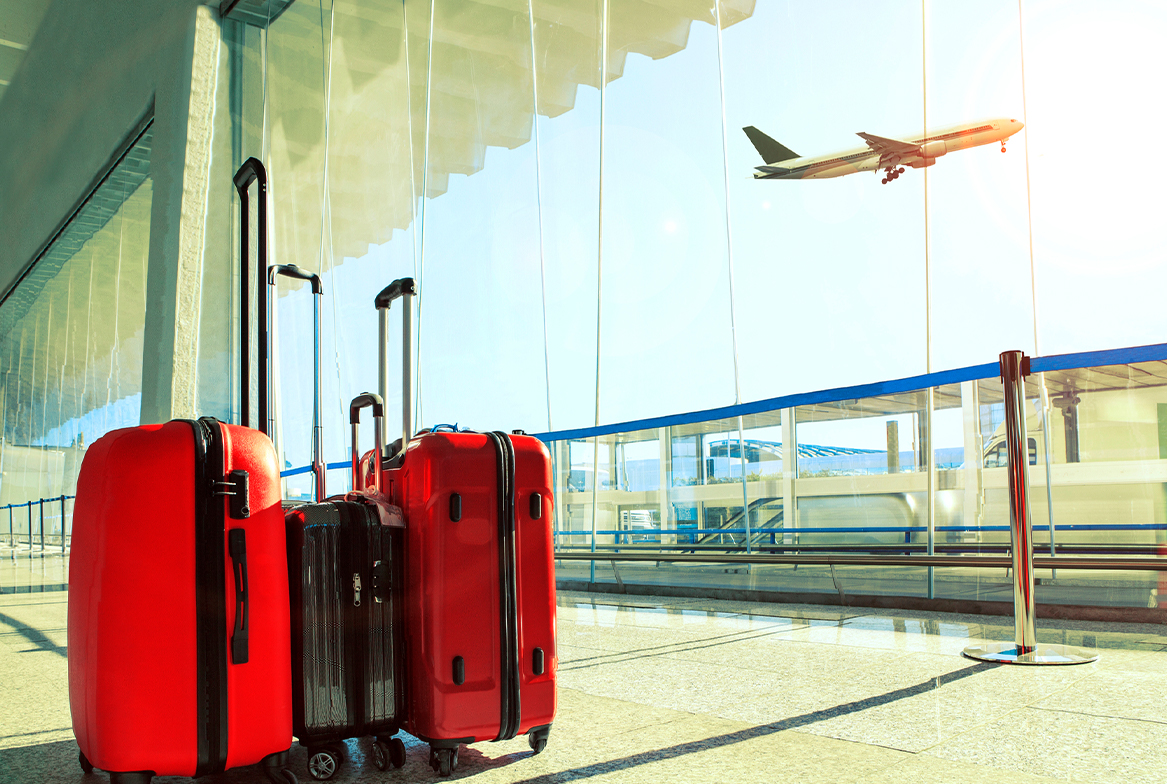
Private aviation removes many familiar airport frustrations, but it doesn’t make luggage limits disappear. Arriving with twelve suitcases for a three-day escape can affect storage, cabin comfort, aircraft planning, and departure timing. The smarter approach is not simply packing less. It is choosing every item according to the aircraft, itinerary, weather, activities, and available baggage space. With a focused packing system, you can bring everything the journey demands without turning the cabin into a traveling wardrobe. Before closing another oversized suitcase, discover how strategic packing can create a smoother flight, easier transfers, and a far more polished private travel experience.
Private Does Not Mean Unlimited
A private jet may offer greater flexibility than a scheduled flight, yet every aircraft still has physical limits. Baggage compartments vary considerably between jet categories, and their shapes can be surprisingly restrictive. A long compartment may accommodate garment bags but struggle with deep and rigid suitcases. Another aircraft may have generous volume but a narrow loading door.
Passenger count also changes the equation. A jet that holds luggage comfortably for four travelers may feel crowded when every seat is occupied. Sports gear, photography cases, presentation materials, musical instruments, and children’s equipment can consume space before personal suitcases are added.
This is why luggage should become part of the charter conversation from the beginning. When requesting an aircraft, share the number, size, and type of bags you expect to bring. If the trip includes unusual items, mention their measurements. Clear information helps the charter team identify an aircraft that suits both the passenger group and its belongings.
The objective is not to restrict the experience. It is to prevent awkward surprises beside the aircraft.
Pack for the Journey, Not the Fantasy
Over-packing often begins with imaginary scenarios. You picture an unexpected formal dinner, a sudden hiking invitation, three possible weather changes, and several outfits that might suit a photograph. Soon, one weekend requires enough clothing for a month.
A useful packing question is simple: what is actually scheduled?
Review the itinerary day-by-day. Note planned meetings, dinners, transfers, outdoor activities, and downtime. Assign one suitable outfit to each event, then identify pieces that can serve more than one setting. A structured jacket can move from a business meeting to dinner. Neutral trousers can support several shifts. One versatile evening outfit can cover several reservations.
Packing around real activities reduces indecision. It also makes dressing at the destination faster because every piece already has a purpose.
Leave room for one flexible outfit if plans may change. Beyond that, avoid packing for situations with little connection to the trip. Private travel feels more effortless when your wardrobe is edited with intention.
Ask About the Aircraft Before Choosing Bags
Aircraft selection should guide your luggage format. Do not assume that a smaller jet can accept several large hard-shell cases simply because the passenger cabin appears spacious in photographs.
Ask the charter consultant several direct questions:
- Is the baggage compartment accessible during flight?
- What are the compartment dimensions?
- How wide is the loading opening?
- Are soft-sided bags recommended?
- Can skis, golf clubs, or strollers be accommodated?
- Does the passenger count reduce practical luggage space?
- Are there weight restrictions for the planned route?
These questions are especially useful when traveling on light aircraft, carrying bulky equipment, or using an airport with runway limitations. Route length, weather, fuel requirements, and passenger weight may influence the luggage allowance.
Sharing baggage details early allows the team to evaluate the full travel plan. It may reveal that a slightly different aircraft category, suitcase style, or equipment arrangement would make the journey smoother.
Choose Soft Bags When Space Is Tight
Hard-shell cases protect belongings and stack neatly, but their fixed shape can become inconvenient inside curved or narrow compartments. Soft-sided luggage offers more flexibility because it can adjust around corners, structural features, and other bags.
For shorter journeys, consider using compact duffels, flexible garment carriers, or soft weekend bags. They can be easier to position and may use irregular storage areas more efficiently. Bags with wide openings can also make unpacking simpler at the destination.
This doesn’t mean every hard case should stay at home. Fragile objects may still require rigid protection. The trick is matching the bag to its contents. Use structured cases for items that require impact resistance and flexible bags for clothing, shoes, and soft accessories.
Avoid filling soft bags until they become round and difficult to handle. A slightly under-filled bag compresses more easily and can fit into spaces that a tightly packed case cannot.
Build a Compact Travel Wardrobe
A coordinated wardrobe can create numerous outfits from a small group of pieces. Begin with a restrained color palette so jackets, trousers, skirts, shirts, and footwear work together without effort.
Choose fabrics that resist wrinkles and remain comfortable across changing environments. Cabin temperature, ground transfers, hotel interiors, and outdoor conditions may differ within a single day. Light layers handle those shifts without demanding separate outfits.
A practical short-trip wardrobe might include:
- Two versatile lower-body pieces
- Three interchangeable shirts
- One polished evening option
- One adaptable jacket
- One lightweight knit layer
- Two pairs of shoes
- Compact sleepwear and essentials
Wear the bulkiest footwear and outer layer during travel. This frees suitcase space and reduces the need to compress heavier pieces.
Accessories can change an outfit without taking much room. A scarf, belt, tie, jewelry piece, or pocket square can shift the mood of familiar clothing. Select a few items that coordinate across the wardrobe rather than packing a separate accessory set for every look.
Limit the Shoe Collection
Shoes tend to consume space quickly because they are rigid, awkwardly shaped, and difficult to compress. They also encourage outfit-specific packing. Once six pairs enter the suitcase, additional clothing often follows.
For a short private trip, two or three pairs are usually enough. Consider one travel pair, one polished pair, and one activity-specific option if the itinerary requires it. Every pair should work with multiple outfits.
Place socks, belts, chargers, or other small items inside clean shoe bags to use otherwise empty space. Keep footwear near the base or wheels of the suitcase so the bag remains balanced when upright.
If a specialized activity requires boots or athletic footwear, wear the bulkiest pair during the ground transfer when practical. Alternatively, ask whether the destination can provide rental equipment. Renting occasional-use gear can dramatically reduce baggage volume, especially for skiing, water activities, or outdoor excursions.
Use Packing Cubes by Activity
Packing cubes are useful only when they tend to simplify access. Dividing everything by garment type may look tidy, but organizing by activity can be more efficient during a fast itinerary.
Create one cube for arrival clothing, another for meetings, and another for relaxed hours. Keep sleepwear and next-morning essentials together. If the journey includes an overnight stop, prepare a small cube that prevents you from opening the primary suitcase.
This method is valuable on multi-destination trips. You can remove only the items needed at each stop while leaving the rest organized. It also reduces repeated unpacking and repacking.
Choose lightweight cubes that add little bulk. Compression versions can help with soft clothing, but don’t force then beyond a sensible level. Heavy compression may create wrinkles and make the suitcase denser without meaningfully reducing its external dimensions.
Separate Cabin Items From Stored Luggage
Some private aircraft provide access to baggage during flight, while others do not. Even when access exists, opening several suitcases in a compact cabin can be disruptive.
Prepare one small personal bag containing anything needed from departure through arrival. Include identification, travel documents, electronics, chargers, a light layer, reading material, and essential toiletries. Add items required immediately after landing, especially if the main luggage will be transferred separately.
Keep valuable or fragile objects with you when cabin rules permit. Laptops, cameras, jewelry, and sensitive documents should not be buried beneath clothing in an external compartment.
A thoughtfully prepared cabin bag supports the journey without becoming another oversized suitcase. Select a compact design that fits neatly beside your seat or in an indicated storage area. The goal is easy access without reducing personal space.
Let Efficient Packing Upgrade the Flight
rivate flying is built around flexibility, personal space, and a journey shaped around the traveler. Over-packing against those advantages. It adds clutter, complicates loading, show transfers, and can influence aircraft suitability.
A focused luggage plan creates a different experience. Bags fit where expected. Essential items remain accessible. Ground teams can move belongings efficiently. Passengers enter a cabin arranged for comfort rather than surrounded by possessions.
Before you take next charter, discuss luggage alongside the route, passenger count, and schedule. A knowledgeable charter team can explain compartment limitations, suggest suitable bag formats, and account for unusual equipment during aircraft selection.
The smartest luggage hack is not a folding trick or another organizer. It is making baggage part of the flight plan. Pack of the real itinerary, coordinate with fellow passengers and disclose every significant item early. You will arrive with what you need, without allowing your luggage or take control of the journey.